
HTTP & HTTP request
HTTP (Hypertext Transfer Protocol)
HTTP is a protocol for fetching resources such as HTML documents. It is the foundation of any data exchange on the Web, and it is a client-server protocol. In HTTP there are four methods that are commonly used in a REST-based Architecture i.e., POST, GET, PUT, and DELETE. These correspond to create, read, update, and delete or CRUD operations respectively.

HTTP request
GET: The HTTP GET method is used to read (or retrieve) a representation of a resource.
POST: The POST verb is most often utilized to create new resources. In particular, it’s used to create subordinate resources.
PUT: It is used for updating the capabilities. However, PUT can also be used to create a resource in the case where PUT is go to a URI that contains the value of a non-existent resource ID.
DELETE: It is used to delete a resource identified by a URI.
Example of HTTP with params
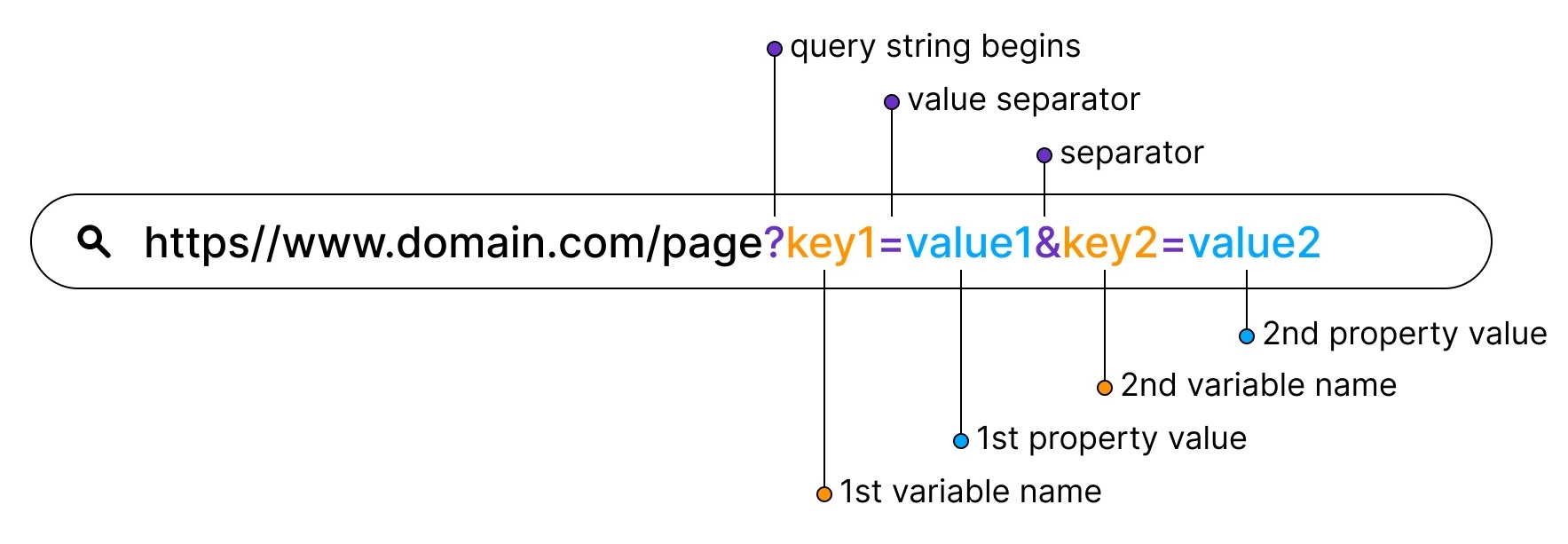
When the HTTP method is used to request certain resources from the web server, the client also sends some parameters to the web server. To determine the URL parameter, we look at the part of the URL after the question mark (?). URL Parameters are created with a key and a value {key=value}, separated by an equal sign (=). Multiple parameters are then separated by an ampersand (&).